
Medical CNC Machining in China: Materials, Documentation and Realistic Tolerance Expectations
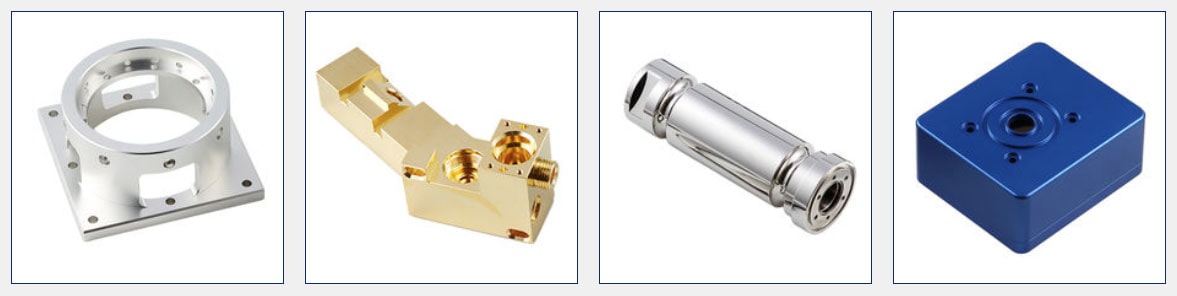
A medical part machined in China carries a burden that an industrial part does not: the material has to be the grade on the certificate, the dimensions have to match the drawing, and the record has to survive an audit inside a regulated device program. When the machining happens across an ocean, the burden concentrates — the correction loop is longer, and the documentation has to travel with the parts. This guide walks through medical expectations for CNC machining from a capable China shop: which materials and material states carry the work, what tolerance is realistic, what an auditable lot must ship with, and where the regulatory boundary between the machine shop and the device maker actually sits.
Why does a medical machined part carry a heavier expectation than an industrial one?
The difference between an industrial part and a medical part is not the machine that cuts it — it is the burden of proof. A medical device part fails inside a patient or a procedure, and the consequence is measured in more than a warranty claim. That is why medical sourcing is a verification exercise from the first email: the material must be traceable to a certificate, the dimension to a measurement, and the process to a record that a device auditor can follow. When the part is machined by a supplier rather than made in-house, the burden concentrates, because the supplier has to prove it met exactly what the device maker specified.
The practical effect is a discipline of evidence on both sides. The device maker writes the expectations into the drawing and the RFQ; the machining supplier answers with documents, not adjectives. A supplier that treats the CMM report, the material certificate, and the process record as deliverables is one that can support a medical program. A supplier that treats them as paperwork is telling you, before you commit, what an audit would find, and on a medical part, the cost of that discovery is measured in both money and risk.
Which materials and material states should a medical program actually run?
Medical machining concentrates on a short list of material families, and each one carries its own verification demands:
- Stainless steels. 303 and 304 appear in instruments and non-implant hardware; 316 and its low-carbon variants serve implantable and corrosion-critical work, where the grade and the mill certificate matter most. The free-cutting grades machine cleanly; the work-hardening grades demand constant feed and careful process control.
- Titanium alloys. Grade 2 and grade 5 (Ti-6Al-4V) are the standards for implantable and surgical parts — strong, biocompatible, and demanding on the process. Titanium is slow to machine and expensive in raw stock, which is why it earns a deeper verification layer than stainless.
- Aluminum. 6061 and 7075 appear in surgical instruments and device housings where weight and machinability matter, with anodizing available for the surface.
- Engineering plastics. PEEK, PTFE, POM, and similar polymers serve device components where metal is the wrong answer, and they need tuned feed and coolant so the part does not melt under spindle heat.
The material state matters as much as the grade. A titanium part's mechanical properties depend on its condition, and a stainless grade specified without its temper is incomplete. The drawing should name the grade and the state together, and the mill certificate should carry both. Incoming material is XRF-checked against the mill certificate on every lot, so the alloy that reaches the machine is the alloy the certificate claims.
Which tolerance and finish expectations are realistic on a machined medical part?
Medical drawings are often drawn tighter than the parts actually need, and the first step in realistic expectations is separating function from decoration. Machining holds fit and alignment features to ±0.003 mm in normal production, and precision grinding reaches ±0.002 mm for bearing seats and roundness-critical surfaces. The realistic pattern is the same as any precision part: explicit tight callouts on the two or three characteristics that control function, and a sensible general tolerance class for everything else. A drawing marked ±0.003 mm on every dimension prices every surface as if it were a bearing seat, and on a medical part, that cost is entirely avoidable.
Surface finish follows the same logic. Ra 3.2 µm is a standard machined finish; Ra 1.6 µm is a finer machined finish for a functional face; Ra 0.8 µm and below usually means grinding or polishing and belongs on sealing, bearing, and contact surfaces. The material sets the floor on finish as well as tolerance: a free-cutting stainless mills to a clean face, titanium needs careful finishing passes, and a polymer is governed by its own rules. When the drawing asks for a finish the material cannot deliver cleanly, the result is a rejected surface — flag it in the design review, before cutting, not after.
Which records should travel with every medical machining order?
A medical machining order is defined by its paperwork as much as by its parts. The documentation set that makes the lot auditable:
- The material certificate. The mill certificate for the raw stock, naming the grade, condition, and the heat or lot number — the starting point of traceability.
- The XRF verification record. Incoming material is checked against the mill certificate on every lot, catching a mixed or substituted alloy at the door.
- The dimensional report. A CMM report on the critical dimensions, with measured values shown against the drawing callouts rather than a column of "pass."
- The process capability data. SPC records on key characteristics, with Cpk targets of 1.67 on critical dimensions and 1.33 on general ones, showing the process is centered and repeatable.
- The certificate of conformity. A statement tying the material, dimensional, and process records to the specific shipment and purchase order.
That set is the difference between an auditable lot and a box of parts. When a device auditor asks how a dimension was confirmed, the answer should be a document, not a recollection.
Where is the regulatory boundary between the machine shop and the device maker?
The regulatory boundary is where medical sourcing gets confused, because the letters matter and the responsibilities are easy to blur. A machine shop that is a build-to-print manufacturer — holding ISO 9001, IATF 16949, and ISO 14001, with the IATF scope excluding product design under Clause 8.3 — machines to the device maker's drawing and documentation. It does not hold ISO 13485, and it should not claim to; ISO 13485 is the medical-device quality-management standard that governs the device maker's system, not the machine shop's floor.
The honest read for a buyer: a build-to-print machine shop can machine medical-spec parts to drawing — the material grades, tolerances, and documentation above are within its capability — but the device maker carries the regulatory responsibility for the device, the design, and the ISO 13485 system. Parts machined to a medical drawing with full documentation are one thing; a finished medical device is another. Ask which one you are buying, and let the supplier's answer — including what it does not hold — set the expectation before you commit.
How do you keep the evidence chain intact from a prototype to a device program?
Medical parts usually start as prototypes, and the evidence chain has to survive the transition from a first article to a regulated production program. The discipline starts with the first machined part: a first article measured against every critical callout, with the material certificate and the dimensional report attached, establishes the routing and the record that volume will follow. The prototype and the production part should run on the same machines and tolerances, and the batch should be released against the proven program rather than re-argued.
Keep the chain intact by holding every link to the same standard. SPC on key characteristics during the run shows the process stays centered as volume grows, and the traceability record — which lot, which machine, which operator — answers the audit question when it comes. When a device maker changes a dimension or a material, the change should be documented the same way the original was, so the record stays continuous from the first prototype to the shipped lot. A supplier that treats the first article as the start of the record is one you can scale with; one that treats it as a formality is telling you what volume will look like.
How do you write medical expectations into a China-machining RFQ?
The medical RFQ is the drawing plus the audit, written down. Send a package that names: the material grade and condition; the critical characteristics with their explicit tolerance callouts; the surface-finish requirements by surface; the documentation set you expect to ship; and the regulatory boundary you are buying within. A complete package gets an honest quote, because the supplier can price the material, the machining, and the verification together rather than guessing.
The China-sourcing advantage is that the RFQ conversation itself is part of the deliverable: a supplier that questions the material state, the anodize class, or the tolerance before pricing is doing the engineering review a medical part deserves. The site's quality and metrology guide shows the CMM, SPC, and material-verification evidence a qualified lot carries, and the machined-parts guide walks through how material grade, tolerance, and finish set the quote line by line.
How do you check a medical machining lot when it arrives?
The documentation that ships with a medical lot earns its keep at your receiving dock, where a few targeted checks close the loop that started with the RFQ. Start with the paperwork: does the material certificate name the grade and condition you specified, and does the XRF record show the incoming lot was checked against it? Does the CMM report name the critical dimensions from your drawing, with measured values rather than checkmarks? Those two documents answer the two questions that matter most — the material is right, and the dimensions are right.
Then spot-check the parts against the report. Measure a critical dimension on a sample part with the same class of instrument the report names, and compare the number. Check the surface finish on a called-out face against the drawing's Ra value. Confirm the quantity, the part marking, and the certificate of conformity match the shipment. The receiving check does not need to re-run the supplier's whole inspection; it needs to confirm the lot is what the paperwork says it is. On a medical part, that confirmation is the link between the machining record and your device file, and a lot that fails it is a lot you hold, with the documentation making the hold defensible.
Frequently Asked Questions
Can a machine shop without ISO 13485 machine medical parts?
Yes — a build-to-print machine shop can machine parts to a medical drawing, holding the material grades, tolerances, and documentation described above. What it cannot do is certify a finished medical device; ISO 13485 governs the device maker's system, and the device maker carries that responsibility.
Which materials dominate medical machining?
Stainless steels (303, 304, 316 and its low-carbon variants), titanium grades 2 and 5, aluminum 6061 and 7075 for instruments and housings, and engineering plastics such as PEEK and PTFE for components where metal is the wrong answer.
What tolerance can a machined medical part realistically hold?
Machining holds fit and alignment features to ±0.003 mm in normal production, and precision grinding reaches ±0.002 mm for bearing seats and roundness-critical surfaces. The realistic pattern is tight callouts on the functional features and a sensible general tolerance class for the rest.
What documentation should a medical machining lot ship with?
The material certificate, the XRF verification record, a CMM report on critical dimensions, SPC capability data on key characteristics, and a certificate of conformity tying the records to the shipment. Together they make the lot auditable.
How is the material verified on a medical machining order?
Incoming metal is XRF-checked against the mill certificate on every lot, so the alloy that reaches the machine is the alloy the certificate claims. The record of that check accompanies the lot through to the final documentation.
Why is the first article important for a medical program?
Because it establishes the routing and the record that production will follow. A first article measured against every critical callout, with the material certificate and dimensional report attached, sets the standard for the batch, and keeps the evidence chain intact from prototype to device program.
Planning a medical-spec machining order and need straight answers on materials, tolerance, and the regulatory boundary?
Write to [email protected] or call +86 13126536955. You will get an honest read on which materials and tolerances this floor runs, what documentation ships with a machined lot, and where the regulatory boundary sits.